
In the quest to make our homes feel more open and useful, a few strategic layout changes can work magic. Whether you're living in a cozy studio or a spacious house, optimizing your space can transform it into a sanctuary of efficiency and style. This guide will unveil innovative ideas to remove clutter, manipulate light, and maximize function, helping you create an airy oasis.
Embrace Minimalism: Less is Definitely More
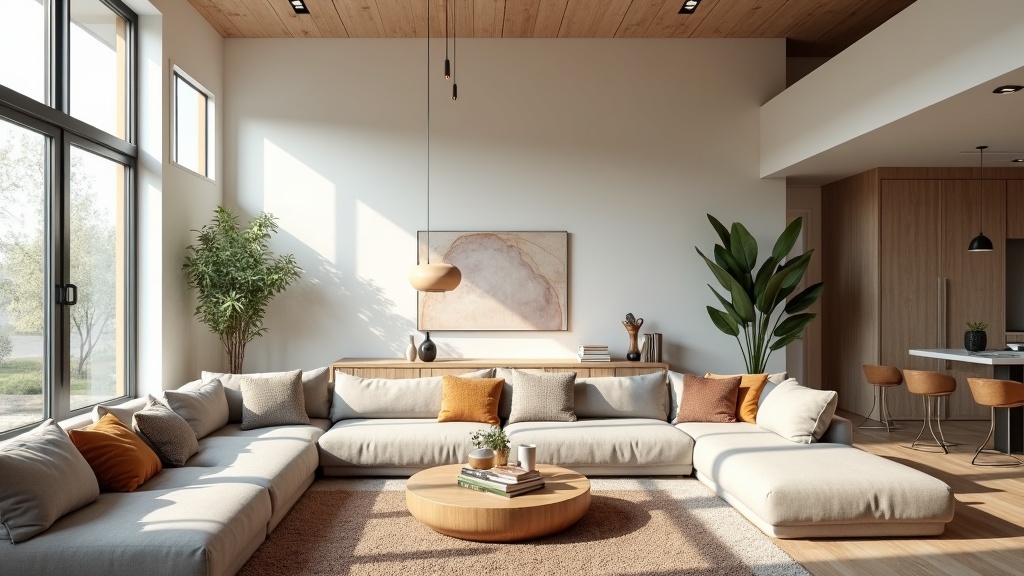
In a world often cluttered with the chaos of everyday life, embracing minimalism can be the first step in opening up your space. By focusing on only the essentials and finding multi-functional furniture, a room sheds its unnecessary adornments and breathes life and air. Architect and interior designer, Olivia Bennett, champions the philosophy that every item should serve a purpose or bring joy to the space owner. This intentional selection reduces visual clutter and fosters a serene, open atmosphere.
Harness Natural Light: The Ultimate Illumination
Natural light can make even the smallest spaces seem larger and more inviting. Designing for optimum light exposure involves the strategic placement of furniture and decluttering windowsills. Josephine Ortiz, a lighting expert, suggests using lighter window coverings and strategically placing mirrors to reflect light and vastly increase the perceived space. Additionally, considering high-gloss finishes or light-colored walls can further amplify a room's brightness.
Effective Zoning: Creating Areas of Function Within Open Plans
In open floor plans, zones can delineate functions like dining, lounging, or working without the need for physical walls. Jeremy Russell, a home organization specialist, recommends area rugs and furniture arrangement as crucial tools to define each area within a larger space. This organization promotes clarity of function, eliminating confusion and enhancing usability.
The Illusion of Height: Taking Advantage of Vertical Space
Height can be a friend in your quest for openness. Utilizing vertical storage solutions and maximizing wall height draws the eye upward, creating the illusion of a larger room. Constance Greer, a space optimization guru, advises installing floor-to-ceiling bookshelves or tall cabinets to keep the floor clear, simultaneously providing ample storage and making efficient use of otherwise neglected vertical areas.
Tactile Interaction: Elevating with Texture
Adding layers of texture can elevate a space beyond its physical dimensions. Combining different materials—such as soft rugs, rough wood, or cold metals—creates depth and interest without overwhelming a room. Designer Mark Lawson emphasizes the importance of varying textures subtly in throw pillows, curtains, and furniture upholstery to craft a multi-dimensional feel that intrigues and invites without chaos.
The Art of Color Psychology: Influencing Perception
Color is a powerful tool in spatial perception. Light hues expand a space's boundaries, while darker shades can create a cocooning effect. Megan Sanders, a color therapist, extols the virtues of pastels and neutrals, which invite light and serenity. Pale blues, soft greys, and earthy tones can evoke tranquility and open vistas, while the careful use of color accents can provide energy and focus in particular areas.
Smart Storage: Creativity Meets Practicality
Storage solutions that double as design elements can declutter a room while enhancing its aesthetic. Emma Anderson, a storage expert, advises the use of built-in storage under staircases, hidden compartments within furniture like ottomans, and wall-mounted systems that free up floor space. Such innovations not only organize possessions but also perpetuate a sense of order and spaciousness.
Integrating Smart Technology: Function Meets Horizon
Incorporating smart home technology can streamline daily activities and clear physical clutter. Devices such as smart lighting, thermostats, and speakers reduce the need for excessive items, creating a cleaner and more open environment. Tech enthusiast Daniel Harper suggests choosing suave, unobtrusive gadgets that merge seamlessly with the décor, fostering a sleek, futuristic abode.
Continuous Flow: Seamless Transitions Between Rooms
Creating fluid movement between different areas of the home encourages openness and accessibility. Leslie Chapman, an expert in spatial flow, recommends the use of consistent flooring and complementary color palettes to foster continuity. Open-door frames or wide archways can aid this transition, making even segmented rooms feel like extensions of one another.