
Crafting a cohesive room is akin to creating a masterpiece; each element should complement the other to form a harmonious whole. Discover transformative yet simple decor tweaks that promise excellence in design.
Unifying Through Layout
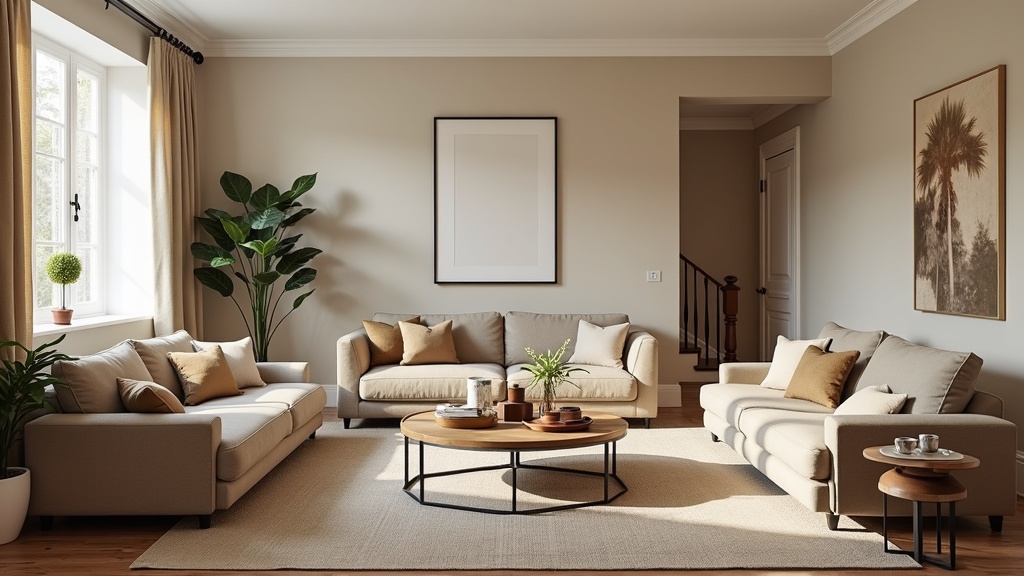
One of the most impactful changes you can make is rethinking your room's layout. The arrangement of furniture can significantly influence the room's flow and cohesion. Interior designer Elena Brady suggests creating a central focus in the room. It could be a fireplace, a stunning piece of artwork, or a statement sofa. Arrange your other furniture pieces so they naturally guide the eye towards this focal point. This method ensures that the room feels connected, and every piece serves a purpose in the overall design.
Harnessing the Power of Lighting
Lighting is the unsung hero of interior design. By varying your light sources, you can establish a mood while simultaneously tying a room together. Monica Fleetwood, a lighting expert, recommends layering your lighting by using a mix of floor lamps, table lamps, and overhead lights. Choosing light fixtures that echo a common element—be it color, shape, or material—across the room can further enhance cohesiveness.
The Art of Decluttering
A cluttered room can feel chaotic and disconnected. Storage solutions that blend with your decor can be both functional and aesthetically pleasing. Use decorative baskets, stylish shelves, and hidden storage options to keep personal items out of sight. Rachel Samuel, an organizer, mentions that visible surfaces free from clutter make the separate elements of a room feel more unified.
Incorporating Texture
Texture is a powerful tool that adds depth and interest to any room. By mixing textures, you can create a balanced and inviting space. Jessica Amara, a texture enthusiast, advises incorporating soft throws, plush rugs, and smooth leather furniture. The trick lies in ensuring the textures complement rather than compete with one another, creating a seamless blend across the room.
Mastering Color Harmony
Color can either bind or break the cohesion of a room. Picking a consistent color palette that resonates throughout the space helps maintain harmony. Julia Reese, a color expert, suggests starting with a neutral base and adding pops of color through accessories like cushions, vases, and artwork. This approach not only unifies the room but also allows for easy updates with the changing seasons.
Purposeful Function
Every piece in a room should ideally serve both a functional and visual purpose. Designer Michael Reed emphasizes choosing furniture items that balance aesthetics with utility. Multi-functional furniture is especially useful in smaller spaces where every item must justify its presence. This intentional approach simplifies the decor thus leading to a more cohesive environment.
Balancing Scale and Proportion
A room where furniture sizes are inconsistent can feel disjointed. To achieve balance, consider both the scale and proportion of your pieces. Renee Carter, a home stylist, advises creating groupings of similar-sized items to foster uniformity. For instance, pairing a large sofa with a similarly hefty coffee table can make the room feel proportionate and cohesive.
Finding Your Focal Point
Instilling cohesion in a room often relies on the presence of a strong focal point. This could be anything from a large window view to an elegant bookshelf. Architect Tony Landers suggests using the focal point to dictate the placement and design of surrounding elements. By doing so, the room seamlessly guides the eye and establishes a cohesive visual narrative.