
Creating an inviting space that is rich with color and texture without overwhelming the senses is an art form that requires careful consideration of various elements. Explore the world of interior design with a focus on blending these elements seamlessly to achieve a harmonious ambiance.
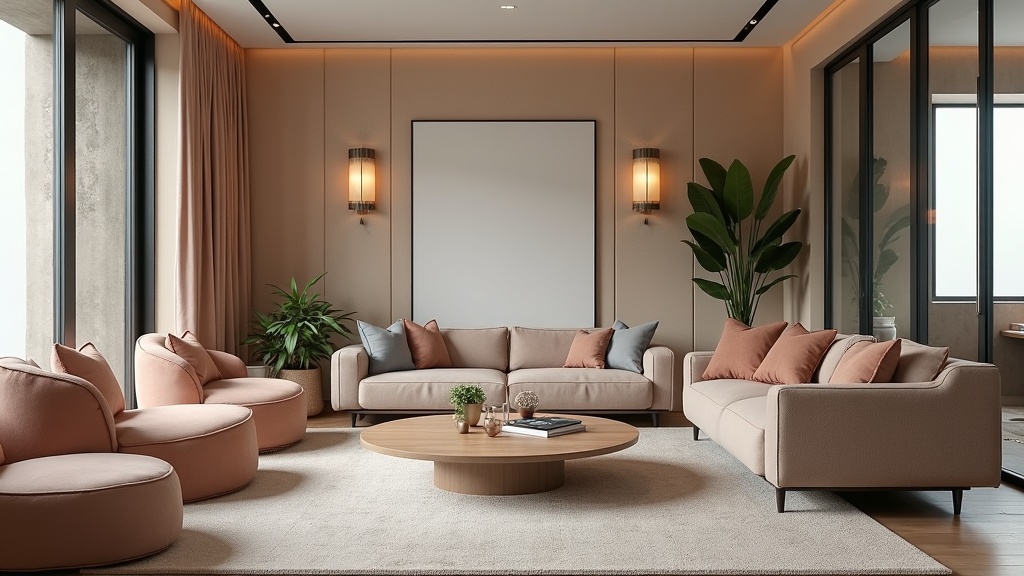
Embrace the Power of a Neutral Canvas
Starting with a neutral base can serve as a timeless foundation for any space. Choosing whites, grays, and muted tones allows for flexibility in accenting color and texture. Chloe Ramirez, an interior design expert, suggests using neutral palettes as they offer both versatility and a calming effect, allowing your chosen colors and textures to shine without clashing.
Play with Layers of Texture
Texture adds depth and interest without adding clutter. By incorporating textiles such as plush throws, woven rugs, and tactile cushions, a room gains dimension and warmth. Designer Priya Chen points out that layering different textures can create complexity while remaining cohesive, especially when using a unified color palette.
Lighting: The Unsung Hero of Interior Design
Lighting dramatically affects how colors and textures are perceived in a room. Natural light enhances color vibrancy and highlights textures, whereas artificial lighting can create warmth and mood. Lucas Simons, a lighting specialist, emphasizes the importance of varying light sources such as floor lamps, pendant lights, and candles to balance and highlight design elements without creating stark contrasts.
Strategic Spatial Layout
Planning the spatial layout is crucial in avoiding a busy feel. By ensuring that furniture and decorative elements are proportionally spaced, you prevent the room from feeling cramped. Interior designer Tara Lopez recommends using furniture that suits the scale of the room and leaving ample breathing space to maintain a sense of openness.
Incorporate Function as a Design Element
Functionality should never be sacrificed for aesthetics. However, design elements that cater to practical needs can also enhance the overall aesthetics of a space. Integrating functional pieces such as storage ottomans or multiuse furniture maintains a clean look without compromising on design.
Complement with Harmonious Hues
While bold colors can make a statement, using harmonizing hues will prevent overwhelming the visual senses. Opt for a couple of dominant colors complemented by softer shades and tones. Designer Emily Yuan suggests selecting colors that naturally flow together, creating a rhythmic balance that captivates but does not dominate.
Reflect Movement with Dynamic Patterns
Patterns can breathe life into a space when used proportionally. Geometric designs and subtle prints can evoke a sense of movement and interest. By implementing patterns in smaller accents or feature walls, Enrique Delgado, an expert in spatial designs, advises maintaining harmony between textured and colored surfaces.
Personal Touch with Art and Decor
Art and decor serve as the finishing touches to any interior design. Personal items carry stories and add uniqueness, helping connect the design with the owner's personality. Curating a personalized gallery wall or placing decorative items thoughtfully can inject emotion while sustaining the room's balance.
Refresh and Evolve the Space Over Time
A successful design is ever-evolving. Adapting to new styles and changing tastes over time can prevent a static or outdated feel. Experimenting with fresh colors or textures seasonally will keep the space dynamic. Clarissa Foster advocates for periodically reassessing design elements to ensure long-term satisfaction and excitement in any room.